Blog

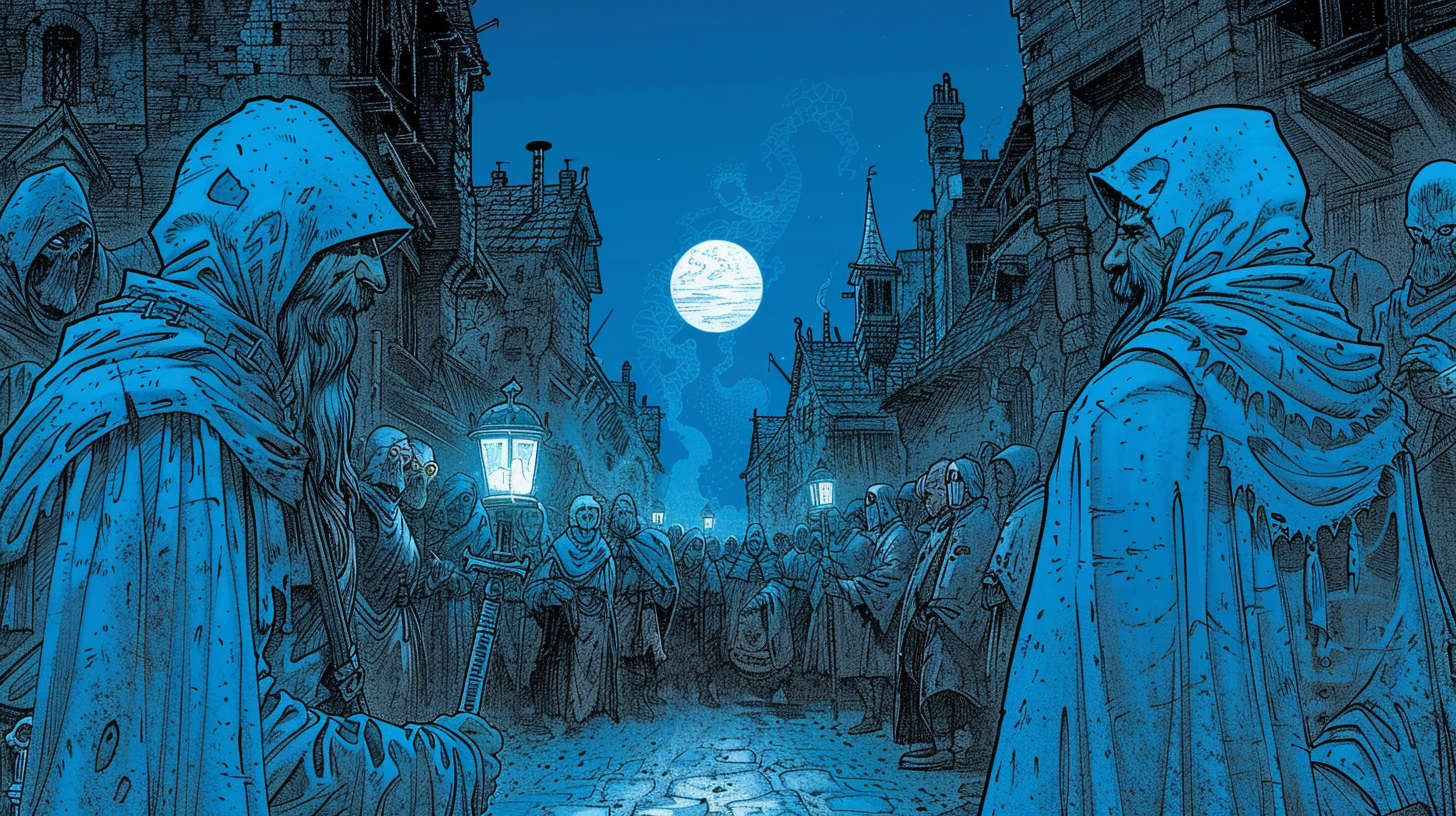
How to Make a Town Feel Alive in 20 Minutes of Prep

A town does not feel alive because the Game Master wrote twenty pages of history. It feels alive because the players can sense that people live there. They hear the bell ring. They see the baker scraping flour from his sleeves. They notice the guards are tired, the tavern has gone quiet, and the old

Read More
Stop Making Combat Only About Hit Points

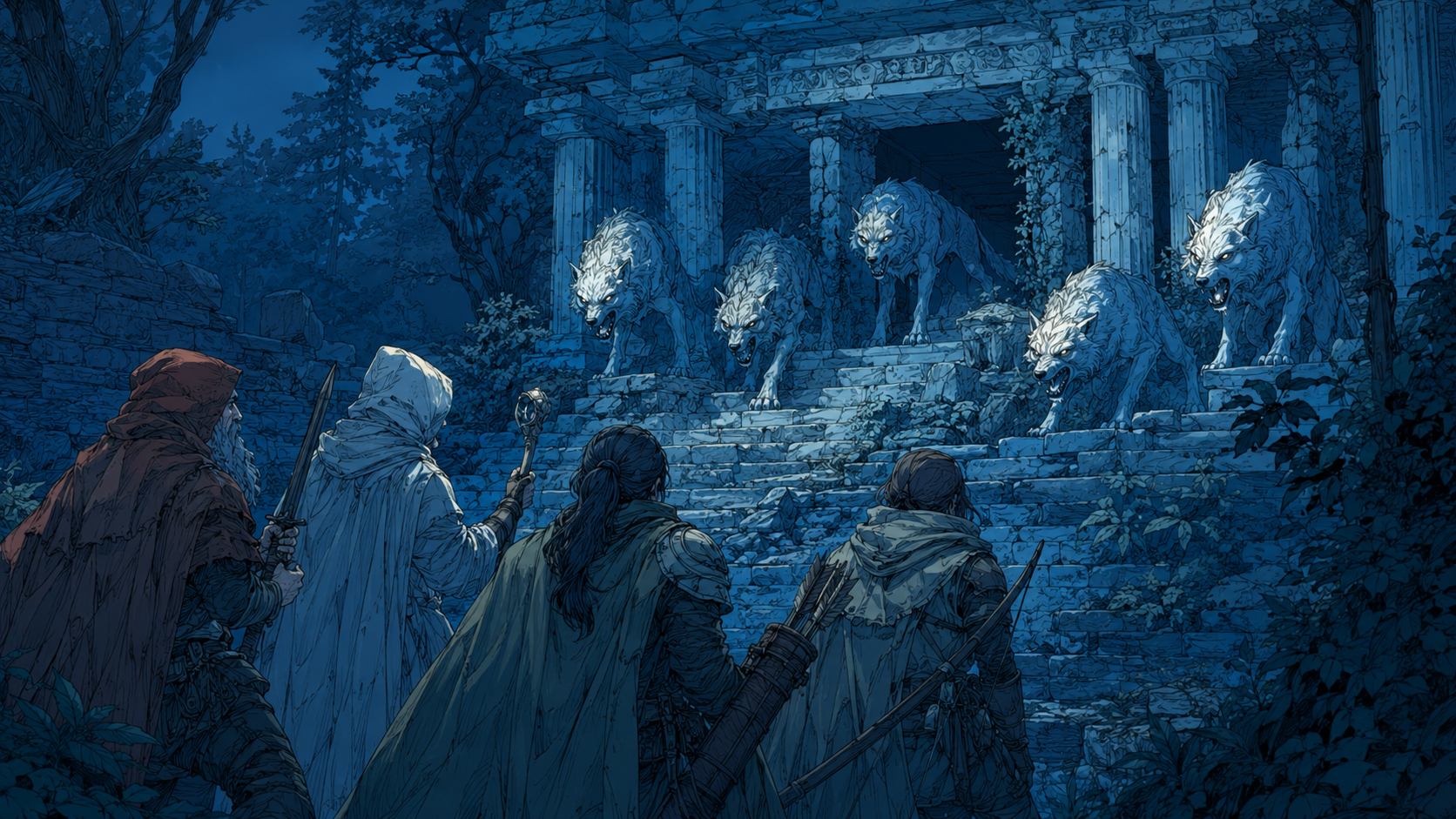
Combat wakes up the table. Dice hit the tray. Someone straightens in their chair. The wizard starts reading a spell very carefully. The fighter suddenly remembers every bonus they have ever earned. Combat has weight because it asks an urgent question: What are you willing to risk right now? That is too useful to waste

Read More
Real Factions in Campaigns That Feel Alive

Most faction conflicts in dark fantasy campaigns fall apart for the same reason. The groups only exist to oppose each other on the page. One house wants the throne. One cult wants to end the world. One guild wants money. Everyone lines up, picks a side, and waits for the players to kick in the

Read More
How AI Helps with Dark Fantasy Plot Hooks

That familiar dread hits the night before a session. You know the players will show up ready to chase threads, make messy choices, and ask questions you never planned for. You want something tense that fits your dark fantasy campaign, not just another tavern rumor pinned to a corpse. AI can help here. Not as

Read More
Folk Horror in Your Tabletop Campaign

That Gets Under Your Players’ Skin A well-run folk horror campaign doesn’t scare players with a monster jumping out of the dark. It scares them by putting them inside a community with rules that existed long before they arrived — and letting them slowly realize those rules are real. That’s the engine. Not gore. Not

Read More
How to Write a Morally Grey Villain

Your Players Will Actually Fear If you want a morally grey villain TTRPG sessions will remember long after the campaign ends, stop thinking about them as a bundle of trauma. Start thinking about them as a person who made one choice — and let it calcify into a worldview. That distinction matters more than any

Read More