How to Write a Morally Grey Villain
Your Players Will Actually Fear
If you want a morally grey villain TTRPG sessions will remember long after the campaign ends, stop thinking about them as a bundle of trauma. Start thinking about them as a person who made one choice — and let it calcify into a worldview.
That distinction matters more than any backstory document you’ll never show your players.
Why Most Morally Grey Villains Fall Flat at the Table
A lot of DMs fall in love with the idea of nuance before the table has any reason to care.
On paper, the character looks great. They have a tragic past. They have a point. They say unsettlingly correct things about power, justice, and sacrifice. Then they show up in session, deliver two speeches, kick a metaphorical puppy, and the party decides they’re just this week’s problem with better branding.
That usually happens because “morally grey” gets mistaken for “sympathetic.” Those aren’t the same thing.
A sympathetic villain can still feel shallow. A morally grey one needs to create friction. The players should feel the pull of the villain’s logic at least once — and then feel uncomfortable about it later.
The Wound That Bends Into a Worldview
The most effective technique for writing this type of antagonist TTRPG tables will wrestle with is simple: make sure their flaw grows naturally out of what once made them understandable.
Here’s how that looks in practice:
- Wound: Injustice → They become controlling, because in their mind, fairness only exists when they enforce it.
- Wound: Loss → They start treating people like inventory to be preserved at any cost.
- Wound: Powerlessness → They become incapable of believing anyone should be free to make bad choices.
The problem shouldn’t feel pasted on. It should feel like the moral shape of the character bent under pressure — and never quite bent back.
A Real Example: The Relief Network
Here’s a villain that worked at the table.
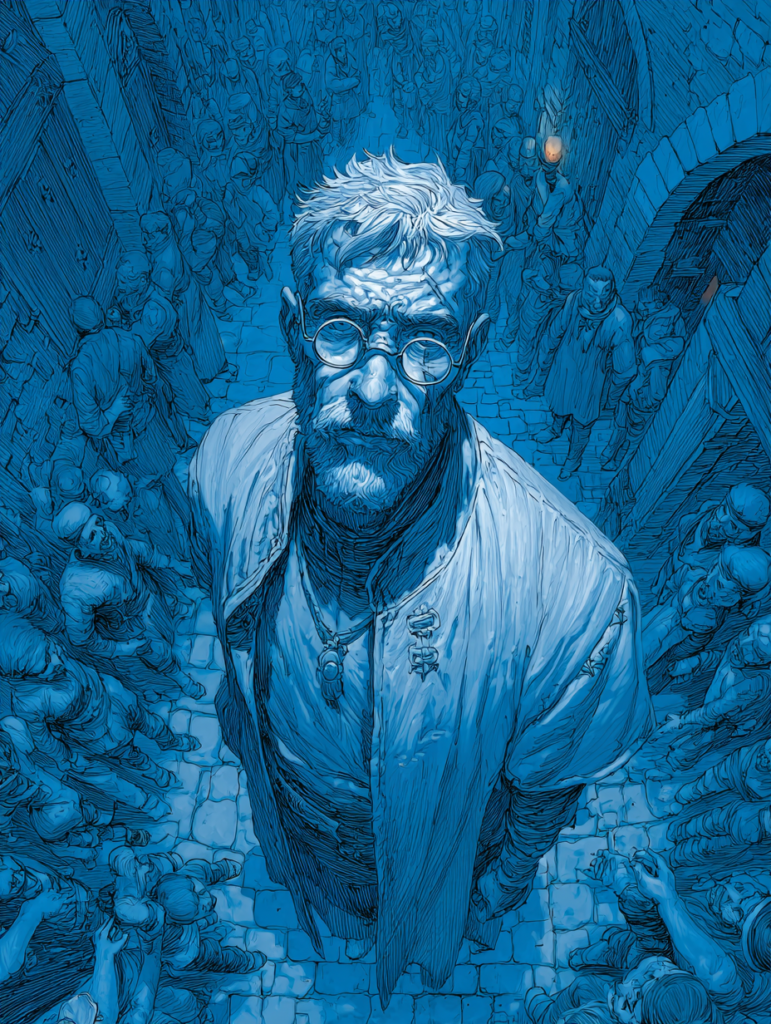
He had survived a siege as a teenager. During the worst stretch of it, the city’s rulers sealed the gates and rationed food by social rank. Nobles ate. Soldiers got enough to keep fighting. Everyone else starved slowly and very publicly.
Years later, he ran a relief network that smuggled food, medicine, and illegal magic across half the kingdom. He was genuinely saving people. He was also blackmailing magistrates, disappearing rivals, and using blood magic to bind desperate refugees into service.
The players liked him at first. He solved problems faster than they did. He seemed practical in a setting full of useless, ornamental authority figures.
Then they found out one of his safehouses was also functioning as a recruitment mill. People went in starving and came out loyal, armed, and convinced that any cruelty committed in the name of stability was regrettable but necessary.
That was the turn. Not because he’d suddenly become evil — but because the players realized he had built a machine that turned suffering into obedience.
Make Them Small in a Few Places
Not softer. Smaller.
Your villain needs petty habits, blind spots, and moments of vanity that have nothing to do with your campaign’s central thesis. A villain who only ever speaks in sharp thematic dialogue doesn’t feel deep. They feel arranged.
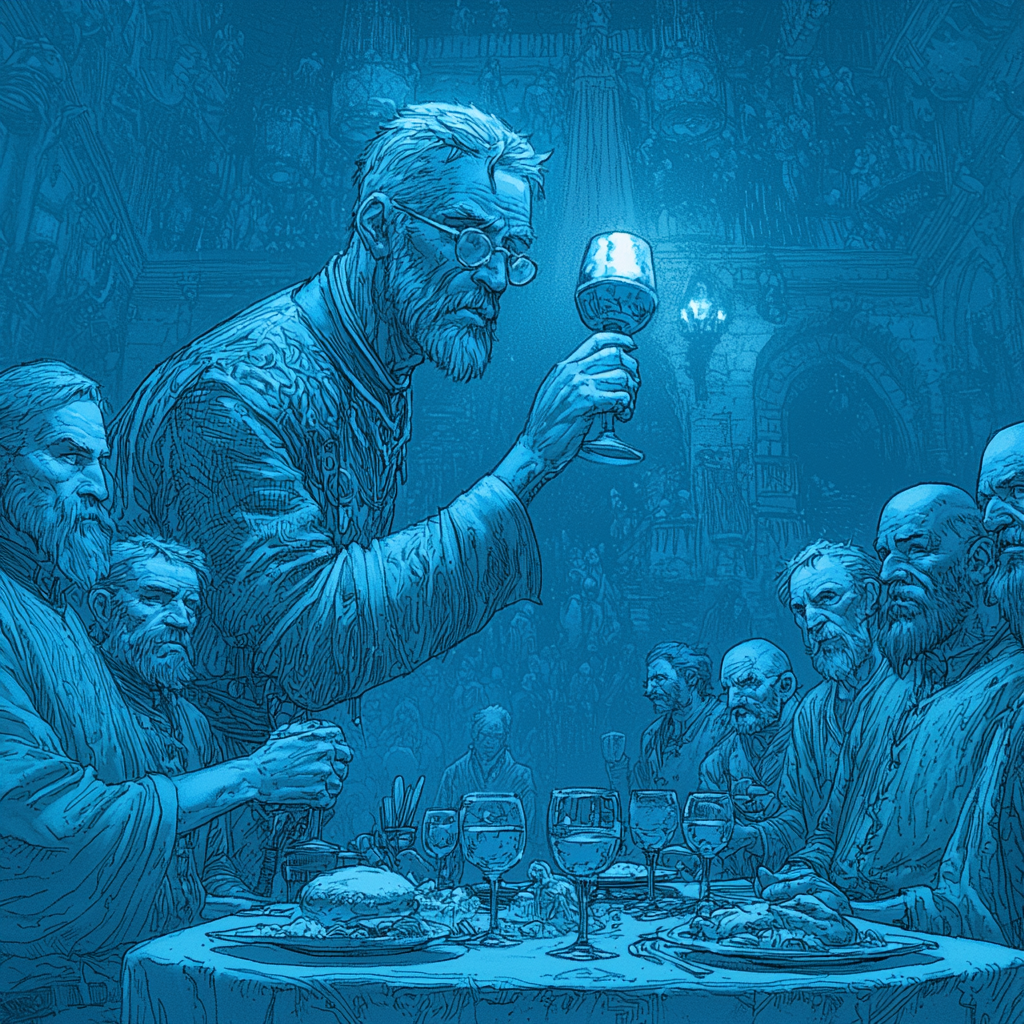
The relief network villain above was obsessed with table manners. He could order an execution and then get distracted because someone was holding a wine glass by the bowl instead of the stem.
One player later said it made him scarier — because it suggested he had found a way to fold brutality into a completely ordinary sense of refinement. That wasn’t planned. It just worked, because the detail was human.
That kind of specificity does more work than a long backstory document nobody sees.
Let Them Be Useful Before They’re Suspicious
Timing the introduction matters enormously.
If the party meets your villain for the first time while ominous music is practically playing in the background, you’ve made the decision for them. Let the villain be useful first. Let them be right about one thing the players already suspect is broken. Let the party benefit from their actions before they understand the cost.
One of the more effective villain introductions you can run is deceptively simple: the villain prevents a crisis the party failed to stop. No flashy magic. No monologue. Just the right people bribed, threatened, and positioned ahead of time.
The city stays calm. Fewer people died that night because they were willing to do ugly work more efficiently than the heroes were.
The party hating how persuasive that felt? That’s the foundation you want.
The Temptation Should Come in Waves
Structure the moral pressure across your campaign arc:
- Early: The villain seems practical in an impractical world.
- Midway: The villain seems necessary.
- Late: The party has enough evidence to see the pattern — every solution this person offers requires someone else to become expendable.
That last beat is where they often fall apart in play. DMs keep them too clean for too long out of fear of losing sympathy. But if the human cost never becomes concrete, the character stays abstract.
Show the consequences. Name the people harmed. Let the party meet someone who believed in the villain and got used up by the system they built.
On Redemption Arcs: Proceed With Caution
Redemption arcs are easy to overdo. These villains don’t need redemption. They need recognition — one honest moment where they finally understand what they became.
Whether that leads to sacrifice, collapse, defiance, or one last rationalization depends entirely on who this person is.
Sometimes the strongest ending isn’t “they were good all along.” Sometimes it’s “they were human all along — and that was the problem.”
The Standard to Aim For
The best morally grey villain TTRPG players encounter will linger after the campaign ends. Not because they were secretly right. Not because they had a tragic backstory. Not even because the party struggled to defeat them.
It’s because for a while, the players could see the road that turned this person into what they are — and maybe, uncomfortably, could imagine taking a few steps down it themselves.